

27
Aug
Cosmetic Dentistry
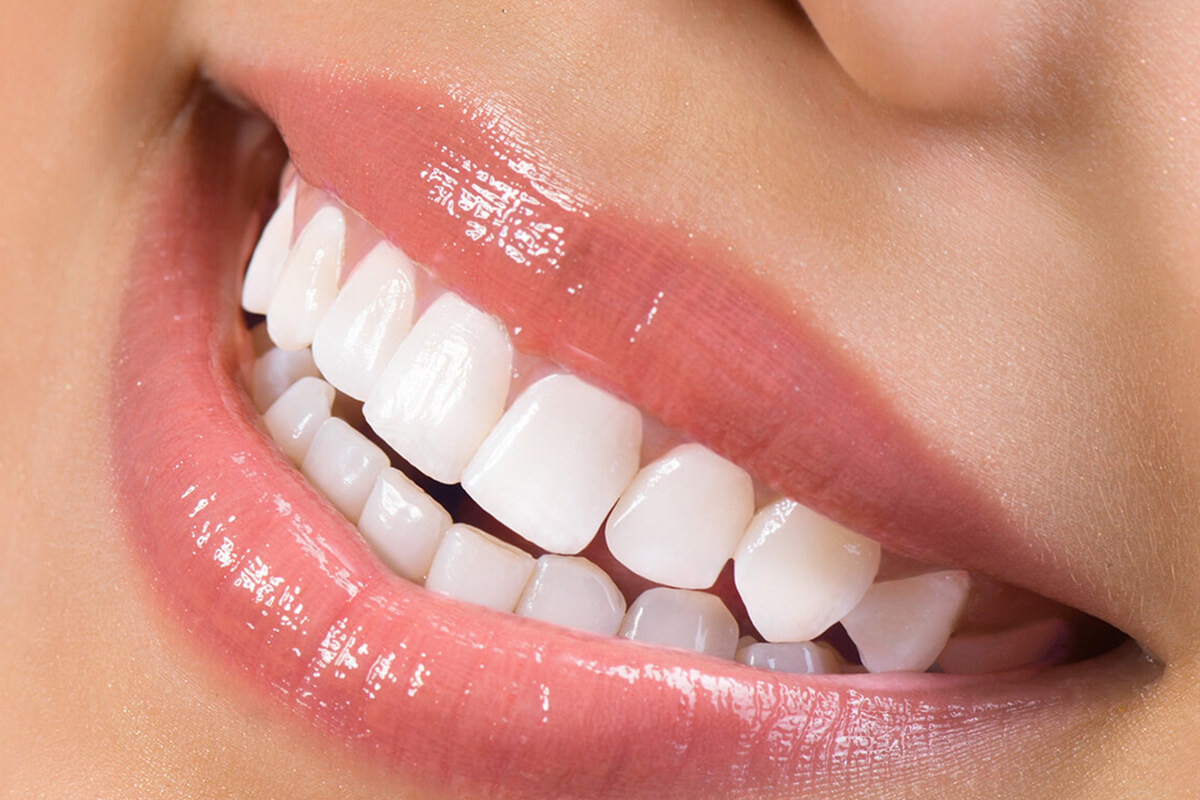
A smile is one of the most vital aspects of your appearance and is usually the first thing people notice when you meet. Having a perfect set of teeth can boost your self-esteem. If you have always desired a beautiful smile, cosmetic dentistry can help you achieve it. It does not matter whether your teeth are crooked, stained, or otherwise flawed.
There are many cosmetic dental procedures, including dental crowns, bonding, teeth whitening, and others. You can develop tooth staining from drinks or foods, but some people have genetic factors that change tooth color. Whitening treatment often works on mild to severe stains. If you have deep stains or issues with spacing, cracks, or chips, bonding and veneers are suitable next steps.
Most insurance companies do not cover the cost of cosmetic dental procedures because they are considered non-essential treatments. In some situations, treatment for damage such as cracks and chips can be restorative and may be covered by insurance. At the dental clinic of Danielle Akry DDS, we provide a wide range of cosmetic dental services at affordable prices.
Types Of Cosmetic Dentistry Procedures
Not all cosmetic dental procedures are suitable for every patient. Your dental expert can help you choose the procedure that will work best to boost your smile. Some of the cosmetic dentistry procedures include:
Cosmetic Tooth Bonding
Bonding is a cosmetic procedure in which tooth-colored materials are bonded to the tooth. A dental expert can perform this procedure to conceal imperfections such as cracks or chips, or to improve the appearance of your tooth if it is severely stained. This procedure requires minimal tooth preparation. It is an affordable, fast method for repairing minor tooth flaws. Your dental expert will prepare composite resin matched to the color of your teeth during the bonding procedure. The dentist will place the material on your tooth and shape it until the imperfection is sealed. Your dentist will polish the resin until it appears like your natural teeth.
The leading advantages of cosmetic bonding include:
- Boosts self-esteem
- Reversible in limited situations, depending on enamel preservation
- You can feel improvement after the procedure
The downside of the procedure includes:
- You require regular dental visits
- Bonded teeth require careful habits, such as good oral hygiene and a proper diet
- It causes sensitivity
Cosmetic Tooth Contouring
Also known as enamel shaping or tooth shaping, cosmetic tooth contouring is intended to correct minor issues such as chipping. It is also used to correct slightly overlapping teeth. Your dental expert will reshape the tooth by removing or filling some of the enamel, then polish it after shaping. This is often done to smooth out any uneven or rough spots and to make the tooth look more natural. Cosmetic tooth contouring is not painful and produces immediate results.
The benefits of the procedure are:
- Can improve minor bite problems
- No recovery time
- You will see a change immediately
- It is cost-effective
- It is painless
The disadvantages include the following:
- It is not suitable for every patient
- It requires additional procedures
- Risk of tooth sensitivity
Cosmetic Dental Crowns
Also known as caps, dental crowns are custom-made to cover your entire tooth. Dental crowns are made out of porcelain or acrylic fused to metal to withstand biting pressure. Dental experts use crowns to treat teeth with large fillings, chipped or broken teeth, badly decayed teeth, or poorly shaped teeth.
There are different types of crowns, each with different merits and demerits. Common crown materials include ceramic and composite crowns.
Ceramic Crowns
Ceramic crowns are made of ceramic, which look like natural teeth. They are suitable for patients with metal allergies and dental chips, as they have less metal than dental crowns made from other materials. Unfortunately, they also wear out with time.
Composite Crowns
Composite crowns are made of synthetic resin and can be made to appear like natural teeth. They are suitable for patients with metal allergies. Unlike other crowns, composite crowns have a shorter lifespan.
Porcelain-Fused-To-Metal Crowns
Porcelain-fused-to-metal crowns are a hybrid between metal and porcelain. They are covered with a layer of porcelain but have a metal base. Unlike pure porcelain, these implants are long-lasting and also have a more natural appearance than metal crowns. However, they appear less natural than porcelain crowns. Additionally, they can develop a dark line around the gum over time. They can also cause tooth sensitivity, like metal implants.
Metal Crowns
Metal crowns are made of metal alloys, such as gold. Unlike porcelain, metal crowns are stronger. This makes them the best choice for replacing molars or for individuals who grind their teeth. They are resistant to chipping and cracking. Their only disadvantage is that metal can cause allergic and thermal reactions in some patients.
Porcelain Crowns
Porcelain crowns are long-lasting, stain-resistant, and have a natural look. They do not cause tooth sensitivity, but can chip or crack more than other types of crowns.
Crowns are often fixed over two visits. Your tooth will be prepared by removing a layer of the enamel during the first visit. The dentist will put you under local anesthesia. He/she will take an impression of your teeth to match the crown to the other teeth and ensure a good fit. While your custom crown is being made, you will wear a temporary crown. Your dental expert will secure the crown with a strong adhesive during the second visit. The dentist will then make vital adjustments to the color and shape.
Cosmetic Dental Implants
If you have a missing tooth, your dental expert can use a dental implant to permanently replace it. A dental implant is a metal device, often made of titanium, that is surgically placed into the jawbone where a tooth is missing. This device serves as the tooth root and can support artificial teeth, such as dentures or a bridge.
The common dental implants include:
Endosteal Implants
Endosteal implants are the most popular dental implants, surgically placed directly into the jawbone. They serve as artificial tooth roots to anchor crowns, dentures, or bridges. Organizations such as the American Academy of Implant Dentistry and the American Dental Association recognize endosteal implants as a predictable, long-term solution for replacing missing teeth.
Endosteal implants are grouped based on material and shape. Those based on materials include zirconia implants and titanium implants. Shape-based implants include blade, cylinder, and screw-type implants.
The success of an endosteal implant relies on osseointegration. Osseointegration is the process by which the bone grows and fuses directly to the implant surface. The upper jaw will recover in four to six months, while the lower jaw will recover in three to four months. The implant will be strong like a natural tooth root upon integration. Endosteal implants are suitable for:
- Sufficient jawbone density
- Failed bridges or dentures
- Completely no teeth individuals
- Multiple missing teeth, and
- Single missing tooth
Subperiosteal Implants
Subperiosteal implants are dental implants placed on top of the jawbone, but below the connective tissue covering it. These implants sit above the bone and are anchored by a custom-made metal framework. Subperiosteal implants are suitable for patients with the following:
- Medical conditions that make major reconstructive surgery dangerous
- Cannot undergo or do not want bone grafting procedures
- not have enough bone height for traditional endosteal implants, and
- Have severe jawbone resorption
These implants are suitable for the lower jaw but can also be applicable in the upper jaw.
The leading benefits of cosmetic dental implants include:
- They enhance speech and facial structure
- They restore your smile
- They do not affect the surrounding healthy teeth
- They feel like natural teeth
- They do not cause gum irritation or require adhesives
- They stimulate the bone, preventing bone deterioration
- Since they are anchored into the jawbone, you can speak and chew normally without them moving or slipping
- With proper care, they are more durable, lasting 20 years or more, sometimes a lifetime
- They blend with the surrounding teeth seamlessly
The disadvantages of dental implants include:
- Poor oral hygiene can increase the risk of infection around the implant
- They are not suitable for patients with severe bone loss, medical conditions affecting healing, uncontrolled diabetes, or those who smoke heavily.
- They can cause nerve damage, infection at the implant site, sinus issues, and implant failure if the bone fails to integrate properly.
- It will take three to six months for the implant to fuse with the bone
- You will need to undergo surgery for implant placement
- You will experience swelling, mild pain, or discomfort during healing
- Implants are more expensive because they are not fully covered by insurance
Cosmetic Dental Veneers
A veneer is a thin shell of composite or porcelain material, custom-made and placed on the front of the tooth. They are suitable for patients with chipped, discolored, and slightly crooked teeth. Dentists also use cosmetic dental veneers to close gaps between teeth. The lifespan of veneers varies from patient to patient, but many last for up to 20 years. The procedure for fitting each veneer varies as follows:
Resin-Based Composite Veneers
Resin-based composite veneers are often fitted during one visit. The dental expert will remove a small amount of enamel before placing the veneers. Your dentist will first clean and prepare the teeth, then place a composite material that matches the color of your natural teeth. The dentist will harden the veneer with light and polish it to look like your natural teeth.
Porcelain Veneers
A dental expert can fit and apply porcelain veneers during two different visits. He/she will first remove some of the enamel from the front tooth to keep the veneer from being too bulky. Your dentist will take an impression of your teeth to a dental laboratory, where the veneers will be custom-fit to the impression. The dental expert will clean your teeth at the next visit and bond the veneers to them with dental cement.
However, you will be put under local anesthesia during the procedure, depending on your sensitivity.
The benefits of cosmetic veneers include the following:
- Porcelain is biocompatible
- They are well-tolerated by the gum tissues
- They boost your confidence, and the results of the treatment are instant
- Major cosmetic enhancements in two or three dental visits
- Less tooth structure is changed
- Only a small quantity of enamel is removed
- It can be strong and last longer if properly bonded
- Customized color matching for a natural smile
- They are less affected by wine, coffee, smoking, and tea
- They make slightly crooked or chipped teeth appear straight
- They close the gaps between teeth
The disadvantages of cosmetic veneers include:
- They require replacement, adding to the long-term cost
- Veneers cannot be whitened, while the surrounding teeth can be whitened later, causing a mismatch
- Veneers are only suitable for patients with severe tooth decay, weak enamel, gum disease, or a history of heavy teeth grinding.
- Veneers can crack or chip if you open packages with your teeth, grind your teeth, or bite hard objects.
- Because of enamel removal, you may experience increased sensitivity to cold or hot foods or drinks
- Since they are cosmetic, they are often not covered by insurance
- Porcelain veneers are expensive than composite veneers
- Enamel removal cannot be reversed
Cosmetic Teeth Whitening
Also known as teeth bleaching, teeth whitening procedures can be performed at home or in a dentist’s office using whitening products. However, not every patient’s teeth can be bleached. Consult your dental expert before trying at-home whitening products. Teeth whitening treatments use hydrogen peroxide and carbamide peroxide. At-home whitening products contain smaller quantities of these ingredients. Teeth whitening treatment works as follows:
At The Dental Expert
The dental expert will apply a whitening gel to the teeth. He/she can also use diluted hydrogen peroxide. Some dental experts often use light to enhance the speed and effectiveness of the bleach. This treatment can last 30 to 60 minutes.
At Home
The dentist will apply whitening strips to your teeth for some days or weeks. The time to leave them on and the application frequency differ by product. You can secure whitening gels over the counter, which are painted onto the teeth or applied using a special tray. The best whitening products are those that are approved by the American Dental Association (ADA).
Toothpaste
Teeth whitening toothpaste is popular, but it can contain abrasive ingredients that help remove surface stains. Other whitening toothpastes have small quantities of hydrogen peroxide.
Some of the advantages of cosmetic teeth whitening include:
- Products used are tested and regulated
- It is safe when performed by a qualified dentist
- It is a good option for enhancing appearance without major dental work
- It is cheaper than crowns or veneers
- Whitening is less aggressive than crowns or veneers
- No removal or drilling of tooth structure
- At-home kits will show results after a few days or weeks
- Professional whitening can show noticeable results in one session within one or two hours
- It boosts self-confidence when smiling in public
- It removes stains caused by smoking, tea, coffee, or aging
- It improves smile and overall facial appearance
The disadvantages of cosmetic teeth whitening include the following:
- It might require additional cosmetic correction
- It does not change the color of fillings, veneers, or crowns; thus, teeth with crowns, fillings, or root canal treatment cannot whiten evenly.
- Misuse of over-the-counter whitening products can cause permanent damage
- Improper or excessive use can weaken your enamel
- It is less effective on gray or brown stains, but is usually more effective on yellow stains
- It requires maintenance treatments
- The use of tea, coffee, or smoking can reduce longevity
- Whitening results often last for six months to two years
- It can cause a burning sensation, redness, or mild pain
- Whitening gel can irritate gums
- Your teeth can become sensitive to cold, hot, or sweet foods
Factors To Consider When Selecting A Cosmetic Dentist
It is important to choose the right cosmetic dentist because cosmetic dentistry focuses on enhancing the appearance, confidence, and long-term oral health. Cosmetic procedures are usually elective and require high-level skills and experience. Some of the factors you should consider when selecting a cosmetic dentist include:
Emergency Support And Aftercare
Aftercare is vital for long-term success of a cosmetic treatment. Choose a cosmetic dentist who will offer you support in case of emergency. A good dentist should also make follow-up visits and be available when you experience complications.
Treatment Philosophy
Some dental experts focus on full smile transformation and conservative or minimal tooth alteration methods. Select a cosmetic dentist whose philosophy matches your goals.
Guarantee or Warranty Policy
Most cosmetic dentists offer guarantees on procedures like implants, crowns, and veneers. It is important to examine what is covered, the terms that void the warranty, and the duration of coverage.
Location And Accessibility
When choosing a cosmetic dentist, consider one with flexible appointment times, parking availability, and proximity to your workplace or home. This is an important factor because cosmetic treatments can require several visits and convenience matters.
Clinic Standards And Sterilization
The dental facility must observe strict infection control procedures. Before settling on a cosmetic dental clinic, check if:
- The dental expert has gloves and protective gear
- The facility has proper sterilization equipment, and
- The facility has clean procedure rooms
Do not overlook your safety.
Materials Used
High-quality materials will have a positive impact on the appearance and durability. Inquire from your dentist about the materials used and why the dentist recommends them.
Cost And Payment Options
Cosmetic treatments are not always covered by insurance. Inquire from your dental expert about the entire procedure cost, financing options, payment plans, and deposit requirements. Do not select a cosmetic dentist solely on price. Lower prices can signal poor-quality materials or a lack of expertise.
Comfort And Communication Level
Choose a cosmetic dentist that you are comfortable and can share your concerns with freely. A good cosmetic dentist makes you feel respected and heard. They should also discuss openly with you the risks and benefits of the treatment. Proper communication minimizes anxiety and improves satisfaction.
Consultation Process
A good cosmetic dentist should provide a detailed consultation that includes the following:
- Clear cost breakdown
- Digital smile preview
- Providing treatment options
- Allow you to share your goals and expectations, and
- Carry out thorough assessment
A good cosmetic dentist will not pressure you into unnecessary treatments and should listen carefully.
Patient Reviews And Testimonials
Online reviews will help know about staff professionalism, cleanliness in the dental facility, customer service, and patient satisfaction. You can access these details on healthcare review platforms, social media, and Google reviews. Look for consistent, positive feedback rather than a few good comments.
Cosmetic Services Provided
Select a cosmetic dentist who offers a range of cosmetic dental services. This permits integrated treatment planning. Different cosmetic dental services shows broader expertise, which can include:
- Dental implants
- Crowns and bridges
- Dental bonding
- Dental veneers
- Teeth whitening, and
- Orthodontic options
Equipment And Technology Used
Modern cosmetic dentistry depends on advanced technology. Dental facilities with modern equipment will offer better accuracy and comfort. Modern equipment include intraoral cameras, CAD/CAM systems for same-day crowns, 3D imaging and CBCT scans, and Digital x-rays. Advanced technology allows better diagnosis, treatment planning, and outcomes.
Before-And-After Photos
A good cosmetic dentist should have a portfolio of past cases. Check for cases similar to your dental issue, natural-looking results, and real patient photos. This will allow you to assess your dentist’s aesthetic style and quality of work.
Experience In Cosmetic Treatment
Cosmetic dentistry requires both artistic judgment and technical skill. Check if your dentist specializes in cosmetic dentistry or it is a small part of their practice. Establish how many similar cases your dentist has handled before. You should also ask how many years your dentist has been performing cosmetic procedures. Experience is vital for procedures like full-mouth reconstruction, smile makeovers, dental implants, and veneers.
Education And Professional Qualifications
Check your dentist’s educational background and any extra training in cosmetic dentistry. This includes the following:
- Whether the dentist is a member of a professional organization like American Academy of Cosmetic Dentistry (AACD)
- Whether the dentist has enrolled for continuing education in cosmetic procedures
- Whether the dentist has graduated from an accredited dental school
Membership in a recognized organization shows commitment to continuous training and high professional standards.
Find A Reputable Cosmetic Dentist Near Me
The appearance of your teeth and smile matters and goes a long way in boosting your confidence and self-esteem. At Century City Dentist we understand the significance of a beautiful smile. We will do everything possible to give you the smile you have always desired. We take pride in being the go-to cosmetic dental clinic in Los Angeles, CA. Contact us today at 310-286-3111 to speak to one of our