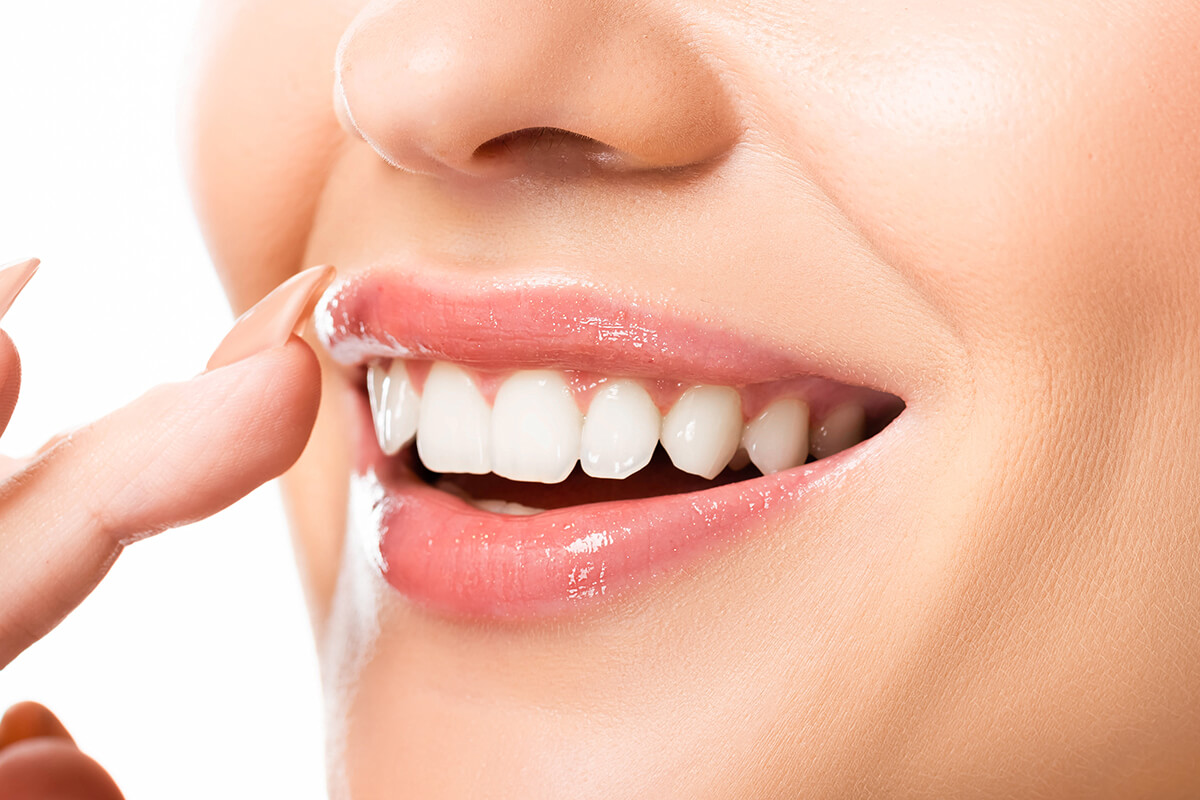
Enjoy professional teeth whitening with Century City, CA dentist
While a smile is the first thing people see, a discolored smile can affect your self-esteem and social confidence. The natural aging process, the foods you eat, such as coffee and red wine, and tobacco use can cause these stains. The stain could make you feel self-conscious when you are around other people, especially during professional interactions.
For many people, dental aesthetics are a priority, but over-the-counter (OTC) whitening products often yield inconsistent results or cause discomfort. Professional teeth whitening is a safe, clinically monitored treatment that can lighten your smile by several shades in a single session.
The dental clinic of Danielle Akry DDS in Los Angeles specializes in advanced cosmetic dentistry, offering customized whitening solutions that deliver both instant results and enamel health. When it is time to get the natural luster back into your smile, we have you covered.
Causes of Tooth Discoloration
A single factor does not cause tooth discoloration; rather, it is a combination of aging, genetics, and lifestyle. The first step in choosing the ideal treatment plan to restore your teeth to their natural brilliance is to understand what type of staining you have. The biological complexity makes it difficult to find a one-size-fits-all solution. The key to optimal success is a professional assessment to determine whether the problem is a surface or a structural issue in the tooth’s mineralized layers.
The color of the teeth is determined by the way the light reflects off the outer enamel and the underlying dentin. You think of your teeth as solid, but they are actually mineralized and porous tissue. These tiny holes absorb pigments from your surroundings, like a sponge. These pigments build up and become trapped over time, are not removed by regular brushing, and can cause a dull or yellowed look.
Extrinsic Stains
Extrinsic stains are the most common cosmetic concern reported by patients. Lifestyle choices and environmental factors often cause surface-level enamel discoloration. Eating highly pigmented foods causes the thin pellicle of protein that naturally forms on teeth to bind with the dark molecules called chromogens. These chromogens form dark stains that deposit in the micro-cracks of the enamel.
Examples of foods that could cause extrinsic stains include the following:
- Coffee and black tea. These beverages contain high levels of tannins and chromogens, which can bind to the surface of your enamel.
- Red wine. This beverage is rich in color and acidity, which softens the enamel, making stains more deeply embedded.
- Dark-colored soft drinks and energy drinks. These contain artificial dyes and phosphoric acid, which can damage surfaces.
- Tobacco and nicotine products. These products leave a sticky, yellowish-brown residue on the teeth, known as tar.
- Dark sauces such as soy sauce, balsamic vinegar, and tomato-based sauces. These substances will cause a slow darkening.
- Natural dyes found in berries and other brightly colored fruits. These can stick to the enamel.
Intrinsic Stains
Intrinsic stains are more difficult to treat because they are embedded in the dentin, the layer underneath your enamel. Surface stains may not respond to surface-whitening products, as they are located within the tooth structure.
These discolorations may result from a variety of internal factors that alter dentin’s chemical composition. These include:
- Trauma. A common cause is trauma, where the tooth could have formed additional dentin as a protective response to trauma, or internal bleeding could have happened. This results in a grey or dark brown color.
- Excessive Fluoride. Too much fluoride in the water as a child can lead to dental fluorosis, which causes white lacy marks or brown spots.
- Medication/Drugs. Also, some drugs, such as antibiotics (tetracycline or doxycycline), could leave permanent greyish bands if used during the development of permanent teeth.
These stains are not on the surface, so you need high-concentration-level oxygenation to penetrate deep into the tooth to break apart these molecules. Dentin is softer than enamel, so it is highly retentive of internal pigments. This can only be reversed by professional-level oxygenation, which involves a chemical reaction within the tooth, not just its outer surface.
Age-Related Discoloration and Enamel Thinning
The natural changes that happen to your teeth as they age cannot be prevented. The outer enamel layer is subject to significant wear and tear over time from chewing, grinding, and dietary acids. The naturally yellowish dentin shows through the translucent enamel as this protective coating thins. This change makes your teeth look darker and more yellow than usual, which does not necessarily indicate poor dental hygiene.
In addition, the pulp chamber in your tooth may shrink as you grow older, changing your tooth’s light-reflecting properties. When it comes to age-related yellowing, a professional bleaching can be used to reach the dentin-enamel junction, lift the underlying cast, and provide a younger look.
Professional Whitening Solutions
Professional whitening differs from commercial whitening products in that it uses a concentrated delivery method tailored to your oral anatomy. You receive a medical-grade cosmetic treatment, which is carefully monitored for safety and effectiveness.
EPIC Laser Teeth Whitening
The EPIC Laser whitening system is ideal if you want the quickest and most dramatic smile improvement. This process involves a specialized diode laser to trigger a high-concentration hydrogen peroxide gel. The laser energy breaks the carbon-to-carbon bonds of the stain molecules much more quickly than in more traditional light-activated systems.
The treatment usually lasts less than an hour and is perfect for those with a hectic lifestyle. Laser activation penetrates stains deeply, reaching stains embedded for years. First, your dentist applies a gel formulated to work with the laser’s wavelength.
The procedure is designed to be comfortable, and many patients report significantly less sensitivity than with older laser systems. Immediately, you will notice a color change, sometimes as much as 6-8 shades in one session.
Custom-Fitted Take-Home Whitening Trays
Dentists provide take-home trays for patients who want to whiten at home or maintain their in-office whitening. They are much better than the OTC trays, as they are created from a precise impression of your teeth. These custom trays ensure the whitening gel is evenly applied across all the curves of your teeth.
A custom fit will keep the bleaching agent from leaking out and causing gum irritation, which is often the issue with off-the-shelf strips or “boil and bite” trays. The professional-grade gel for home use is more potent than retail versions but less harmful when applied slowly. A small amount of gel will be placed in the trays and worn for a specific period of time each day. You will notice a gradual, remarkable transformation toward a brighter smile over the next two weeks.
Professional-Strength Bleaching Agents and Generic Gels
The concentration and quality of the peroxide are key to the success of the whitening treatment. The law restricts the sale of OTC products to consumers to low concentrations to protect them from harm. These generic gels can sit on shelves for months without being used, leading to a loss of potency.
The bleaching agents used in dental offices contain advanced stabilizers and pH balancers to help protect your enamel during the oxidation process. As the peroxide decomposes, it produces oxygen molecules that enter the micro-pores of your teeth. These molecules attack the long-chain stain molecules and convert them into smaller, colorless molecules.
This chemical reaction can give you the whiteness that a toothbrush or abrasive toothpaste can’t provide.
Comparing Professional Whitening vs Over-the-Counter Products
It is easy to be tempted by the convenience of whitening strips or gels that you can find in your local pharmacy. However, these products can have drawbacks and hazards that professional care does not address. The generic whitening strips are a “one size fits all” solution, but few people have perfectly straight, uniform teeth. This results in an uneven whitening effect, as the gel doesn’t penetrate between the teeth, creating dark lines around the newly whitened enamel.
In addition, many commercial products contain acidic components that are used to “etch” the tooth’s surface to achieve a quicker result. Most OTC clinical gels do not contain desensitizing agents. This can cause permanent damage to the enamel and result in long-term tooth sensitivity. Your dentist can perform the professional whitening under his supervision and use special barriers to protect your gums. This clinical supervision enables them to use much higher concentrations of peroxide and achieve results in one hour that strips would take months to achieve.
While retail stores offer convenience, generic kits often take a “one size fits all” approach and don’t account for your dental anatomy. These kits come with mass-produced mouthguards that will not fit your dental arch. This lack of customization can cause the bleaching gel to leak, leading to chemical burns to your soft tissues or localized gum recession over time. In addition, the light devices in low-cost kits may not be at a wavelength that produces a meaningful chemical reaction and may only have a blue tint effect without any clinical benefits.
Many toothpastes available at the pharmacy use harsh abrasives to remove surface stains. This will temporarily brighten your teeth, but overuse can make your enamel thinner. When the enamel wears down, the underlying dentin (the yellowish part of your teeth) becomes visible. This means that your teeth look darker than they really are. While your dentist could use a refined pumice, abrasive pastes can create microscopic scratches that make it easier to trap future pigments and significantly speed up the staining process.
Peroxide is an unstable molecule that begins to decompose as soon as it comes into contact with air or heat. OTC products may be stored in warehouses or retail outlets for months before you buy them.
When you use the gel, the active ingredients may not be as effective as when the product was manufactured, and you may need to use it for a much longer period than the recommended time. This extended exposure can cause chronic sensitivity but never reach the desired shade.
However, when you apply it professionally, all the curves of your smile are treated the same, giving a seamless look. Professional whitening uses custom-made barriers to prevent your soft tissues from being burned by chemicals. Choosing a clinical intervention helps mitigate the risks associated with unregulated chemical use, as your dentist provides continuous oversight and precise application methods tailored to your oral health and aesthetic goals today.
Who Should Seek Teeth Whitening?
Most adults with healthy teeth and gums are good candidates for whitening, but a professional checkup is needed. Your dentist will evaluate your current dental condition and existing restorations to ensure the whitening treatment is safe and enhances the beauty of your smile.
Before starting any whitening program, you need to have no active tooth decay. If you have a cavity, the bleaching agent may seep into the inner part of the tooth, causing severe pain and possibly damaging the nerve. Likewise, if you have gum disease, you might experience intense irritation in the inflamed tissues due to the peroxide.
The best results from bleaching are typically seen in patients with yellow discoloration. This kind of staining typically reacts rapidly and effectively to peroxide treatments. If you have good tooth enamel and reasonable expectations of what you can achieve, you’re probably a great candidate. If you want to freshen up your look before a special event like a wedding, job interview, or social gathering, professional whitening is a great option.
In addition, many patients opt to have whitening as the final step after orthodontic treatment, such as Invisalign. This will ensure that newly straightened teeth are also shown in their best, brightest, and most esthetic color.
When Whitening is Not Recommended
Some factors can make you an unsuitable candidate for regular bleaching. If you have sensitive teeth or significant gum recession, the bleaching process can be uncomfortable. The roots of your teeth are not covered in enamel, so if they are exposed, the whitening gel cannot lighten them, and you might end up with an uneven appearance.
- As a precaution, pregnant or lactating women are advised to delay cosmetic whitening.
- Whitening should not be used with children younger than 16 years because their pulp chambers are still large and sensitive.
- If a patient has a known allergy to peroxide or any of the gel’s ingredients, they should seek other options.
- Those with severe enamel erosion or translucent teeth may not achieve the results they want.
- Dental cavities must be filled before applying the bleaching gels.
Addressing Stains Resistant to Bleaching
For people with grey or purple-stained teeth, conventional whitening might not work. The stains are often intrinsic and result from big structural changes in dentin. Your dentist can try to bleach these colors with intensive professional treatment, but some stains are too deep to be bleached with peroxide.
In this case, you might be a better fit for other cosmetic treatments, such as porcelain veneers or dental bonding. These treatments let you avoid chemical bleaching altogether by overlaying a thin, beautiful layer of porcelain or resin over your natural tooth. This will guarantee a bright white color and prevent staining again. If your dentist feels that bleaching won’t give you the results you are looking for, she will discuss these options with you.
What to Expect During Your Visit
Professional whitening follows a structured, multi-step process designed to be safe and effective. The first step in the procedure is a comprehensive shade analysis. Your current tooth color is recorded using a professional shade guide, and your attorney discusses the level of whiteness you would like to achieve. The next steps include:
- The dentist or hygienist cleans your teeth with a soft pumice to remove surface debris and plaque.
- A cheek retractor and cotton rolls are used to keep your mouth open and your teeth dry.
- The gums are covered with a light-cured resin barrier to prevent the bleaching gel from coming into contact with the gums.
- The whitening gel is applied to the front surfaces of your teeth and is professional-grade.
- A laser or high-intensity light activates the peroxide for about 15-20 minutes.
- The gel is drawn out, and this is repeated 2-3 times, depending on sensitivity.
- The teeth are rinsed, the barriers are removed, and a fluoride or desensitizing treatment is applied.
Managing Sensitivity and Protecting Oral Tissues
The most common side effect of whitening is tooth sensitivity. This occurs because the peroxide expands the tiny tubules in your enamel, exposing the temperature to the nerve endings and the gel. While this sensitivity is temporary, it can be uncomfortable.
Your dentist takes certain steps to reduce this risk. They use gels containing potassium nitrate and fluoride, which are “neuro-blockers” that prevent pain signals from reaching the brain. In addition, a rubber or gel dam separates the gums from the high-concentration peroxide, preventing any soft tissue damage or irritation. Dentists can also reduce treatment time or apply a lower-concentration gel in a series of treatments to keep you comfortable if you have experienced sensitivity in the past.
Aftercare and Maintenance
How long your whitening lasts will rely on your post-procedure routines. With a maintenance strategy and good oral hygiene, you can avoid new stains from forming and keep your bright new smile for months or years.
Foods to Avoid
Your teeth are porous and absorb pigments for the first 48 hours after the procedure. During this time, it is important to follow the “white diet” to ensure the new shade sets properly. Eat neutral-colored foods and avoid foods that could stain a white shirt. Do the following:
- Focus on eating chicken, turkey, white fish, white rice, pasta with white sauce, and cauliflower
- Steer clear of coffee, tea, dark-colored sodas, and red wine for 2 days
- Avoid eating colored fruits such as blueberries, blackberries, and cherries
- Avoid using brightly colored sauces such as soy, mustard, ketchup, and balsamic vinegar
- Steer clear of citrus fruits and other acidic foods that may irritate your enamel as it regrows
Lifestyle Adjustments for Lasting Whiteness
After the first 48 hours, you can resume your regular diet, but you should develop habits that will help protect your enamel. Drinking liquids through a straw can help avoid contact with the front teeth and reduce the number of stains. Another easy step to prevent chromogens from attaching to your enamel is to rinse your mouth with plain water after eating pigmented foods.
One of the best things you can do for your smile is to quit smoking. Tobacco products contain tar and nicotine, which will cause deep and persistent stains that will undo your whitening treatment in no time. You are not only safeguarding your appearance but also your overall periodontal health by quitting smoking.
Regular Professional Cleanings
The foundation of having a bright smile is professional cleaning. Brushing daily is important, but it will not eliminate tartar, or hardened plaque. Tartar is porous and stains much more aggressively than enamel. During your routine check-up, your hygienists will remove these deposits with special tools.
Teeth polishing during a cleaning appointment also helps remove plaque and smooth your teeth’ surfaces, so bacteria and stains can’t stick as well.
This is a proactive approach that enables your dentist to detect minor aesthetic regressions before you need full treatment. These visits are the key to protecting your cosmetic investment for the long term. The visits also allow your dentist to make minor touch-ups with professional whitening gel if they notice that your shade is beginning to fade. With consistent professional care, your cosmetic investment will be protected, and your smile will stay as bright as possible.
Contact a Teeth Whitening Dentist Near Me
Maintaining a radiant smile is a continuous process that combines advanced clinical care with dedicated home maintenance. Professional teeth whitening is the best way to achieve a much whiter shade in a safe setting and reverse years of staining. You can consider in-office treatments such as EPIC Laser whitening, which helps you avoid the inconsistent results and enamel damage that unregulated at-home products can cause.
The dental clinic of Danielle Akry DDS is dedicated to delivering high-quality cosmetic outcomes for patients in Los Angeles, prioritizing patient comfort and long-term oral health. If you want to keep your teeth white, you can act fast to prevent discoloration. We have a wealth of experience in every field of cosmetic dentistry and are here to fight for your smile. Call us today at (310) 286-3111 to find out how we can help with teeth whitening.
Teeth Whitening

At a young age our teeth are healthy white. But overtime the enamel coating the tooth is so slowly worn down. Causing our teeth to become stained and yellow, which is why teeth whitening is become increasingly popular today. There are a few methods for whitening. They include at home and in office. With in office treatments, you will see faster results, receive the safest treatment for bleaching the teeth, and yield the whitest smile. So, don’t settle for teeth that have become stained from years of coffee drinking, tobacco use, or just aging. Ask your dentist about whitening options that may be right you.