Botox
If you are looking for a solution to smooth wrinkles and lines or to relieve symptoms of temporomandibular disorders (TMD), Botox has become an increasingly popular treatment in cosmetic and therapeutic dentistry. Modern dentistry increasingly addresses both oral function and facial aesthetics. It is about the confidence that comes with a more rejuvenated, balanced look.
Combining clinical accuracy with an artistic approach, the dental practice of Danielle Akry DDS, aims to deliver natural-looking, personalized results. Looking to look your very best? Do not put it off, and restore your confidence and comfort. Schedule a consultation with us today if you are in Los Angeles to see how subtle facial enhancements can complement and improve your smile.
What is Dental Botox?
When you receive the botulinum toxin type A treatment, you receive a highly purified neurotoxin protein from the bacterium Clostridium botulinum. After it is administered, it blocks chemical signals (in this case, acetylcholine) that pass between nerves and muscle fibers. This temporarily reduces muscle activity, allowing targeted muscles to relax. This process can be thought of as smoothing dynamic wrinkles, but its main clinical benefit is deactivating overactive muscle groups that cause chronic facial tension and pain.
Entrusting your care to a dentist ensures that this targeted neuromuscular treatment is in the hands of a professional with extensive training in facial and maxillofacial anatomy. Your dentist spends years learning about the details of the maxillofacial anatomy, which includes the oral cavity and your facial muscles and oral structures. They have a firm knowledge of the muscles that make up your jaw and chewing apparatus, including the masseter and temporalis. With this daily exposure to head and neck physiology, your dentist can determine exactly where an injection will bring you the most therapeutic relief from such conditions as bruxism or temporomandibular disorders (TMD).
This clinical precision takes your dental chair experience to a different level of dental care and offers a medically informed approach to facial treatment. Your dentist examines the structure of your bones and muscle attachments, while providers who focus primarily on cosmetic aesthetics concentrate on smoothing out your face. They understand that by changing the tension in one portion of your muscle system, you are changing the balance of your smile and changing the function of your bite. Your dentist prioritizes this synergy between your appearance and oral health, so Botox treatments can support both aesthetic goals and functional comfort.
Dental Issues That Botox Addresses
Many dental and cosmetic issues can be addressed with the strategic use of Botox. It provides relief beyond muscle relaxation. Your dentist uses these injections to fill the space between treatments and achieve a beautiful smile. The dental issues Botox seeks to address include the following:
A Treatment for TMD and Facial Pain
Everyday movements can become very difficult and stressful due to temporomandibular joint (TMJ) dysfunctions. In a comprehensive examination, your dentist meticulously pinpoints the areas of tension and documents the specific areas that cause chronic tension that manifests as follows:
- Headaches
- Jaw clicking
- Facial discomfort or pain
They are areas that are highly prone to discomfort and may also contribute to neck and shoulder tension.
The treatment involves targeted Botox injections that soothe these overactive muscles, improve jaw mobility, and reduce muscle tension. This clinical intervention is highly effective at interrupting the cycle of pain and tension experienced by most people who do not get the relief they need from over-the-counter medications. This can mean reclaiming the joy of eating, speaking, and smiling without the constant burden of muscle fatigue or fear of a flare-up.
Managing Bruxism and Protecting Dental Work
The effect of this functional relief directly translates into the management of bruxism, a destructive phenomenon caused by unconscious grinding of teeth and clenching of the jaws that threatens your oral health in the long run. Many people do not realize that bruxism, a mechanical stressor on the teeth, is a repetitive event that can cause serious harm, even though it is often considered a minor grinding habit.
You have a tremendous bite force, with the masseter muscles among the strongest in the human body. They are constantly under a burden of muscle fatigue if they are not controlled. This nocturnal activity slowly eats away your natural enamel, causing tooth sensitivity, flattening of the surfaces of the tooth, microfractures, and more. In addition to damaging natural teeth, this force can cause costly porcelain dental restorations, like veneers or crowns, to crack. These materials are aesthetically excellent and extremely durable, but not resistant to the repetitive grinding forces that occur during chronic use.
If you strategically relax your masseter muscles with targeted therapeutic interventions, you can ensure that the integrity of your dental work is preserved. This method provides a protective barrier, dampening the excess power before it can ruin the structure. It shifts your care from repair to preservation of your smile and helps preserve your dental restorations. In addition, this relief can last beyond the tooth itself, which helps to alleviate any tension headache and jaw pain it may cause and can improve comfort during sleep and daily activities.
If You Have Had a Gummy Smile
Although functional protection is still the most important aspect of modern dentistry, your dentist also uses this advanced muscle control to improve the aesthetic balance of your face, especially if you have excessive gingival display or a gummy smile. This problem arises when the relationship between the lips, teeth, and gingival tissue is not properly proportioned and can cause self-consciousness, affecting your social life.
You may feel hesitant to smile fully if your upper lip retracts too far, exposing more gum tissue than you prefer when you laugh or speak. Many people do not have a tooth or gum issue, but rather a problem with their elevator muscles. These muscles, namely the levator labii superioris, pull up the lip too hard. By using accurate injections into these muscle groups, dentists can reduce that upward pull. This will create a more natural, more balanced upper lip position and ensure your gums are less prominent and subtly framed while your teeth are the highlight of your smile.
The advantage of this approach is its conservatism. This technique requires no incisions and minimal downtime, unlike surgical gingivectomies or lip repositioning surgeries, which may be more invasive. It is a combination of clinical artistry and neuromuscular science. The goal is to preserve natural facial expression while harmonizing the face’s dynamic movements. It helps to relax the overactive muscles, which provides a balance and makes your smile appear more even and less strained.
The psychological change is often the biggest benefit, alongside the visible changes. Once you do not have to worry about how much gum is showing, you can be happy without limitations. This treatment will change the way the smile makes you feel, from anxiety to confident expression of personality and will give you a non-surgical solution that will give you a subtle facial rejuvenation gift that has transformative results for your overall facial harmony.
Smoothing Peri-Oral Lines and Framing the Smile
To complete this artistic framing, it is important to carefully contour the fine skin around the mouth to remove radial lines and lift the downturned corners. Wrinkling around these fine lines, sometimes called “smoker’s lines” or “lipstick lines,” can be very distracting to the dental look and divert attention from the teeth to the aging of the skin. These enhancements keep the “frame” as fresh as the “picture” is when you have dental restorations.
These lines and the drooping of the mouth can be caused by repetitive muscle movement and simply by aging. In particular, an overactive depressor muscle (for example, depressor anguli oris) causes the corners of the mouth to sink, giving the impression of a tired, sad, or even stern look that may not accurately convey your mood or emotion. These particular areas will exert a downward force, which your clinician can counteract by precisely adjusting the tension in those areas. A subtle “lift” at the corners of the mouth returns the mouth to a more neutral and inviting resting position.
This is a comprehensive approach to dental rejuvenation. It is not just about smoothing out the lines and wrinkles. It is about improving the symmetry and balance of your lower face. Dentists help balance and loosen overly tight muscles that pull your skin taut and down, giving you a youthful, healthy frame and helping frame and complement your smile. The combination of hard-tissue dentistry and soft-tissue modulation results in a seamless, natural aesthetic that can look like a facelift and gives an overall aesthetic coherence that exudes confidence and vitality from every angle.
What Happens During a Dental Botox Appointment?
The journey starts with a clinical assessment that elevates the basic consultation into a personalized treatment plan. This is an essential step to ensure each dose of botulinum toxin is used to achieve a specific functional or aesthetic effect, tailored to your anatomy. The following are the stages you will go through when getting dental Botox:
The Clinical Assessment
The first step your dentist takes is to palpate your facial muscles. He/she will ask you to bite down hard and smile widely to assess your strength and size. This physical exam can give them a sense of the hyperactivity of your masseter muscles or tension in your brow and a deeper understanding of muscle activity that a visual examination cannot match. Your dentist will be able to determine the precise boundaries of your muscle groups, ensuring the placement is just right for your desired result without harming the adjoining structures.
Calibrating Your Specific Dosage
Your dentist determines the precise number of units required for therapeutic relaxation based on this physical map. The dose you need will vary depending on the type of outcome you are seeking. For instance, if you want to refine a gummy smile, you may need as few as 4 units to lower your upper lip slightly. However, if the masseter muscle is very tight or the jaw is grinding for a long time, 50 units or more may be needed to strengthen the muscle. This tailored dosing lets you use the right amount of product to achieve the desired effect without over-treatment or an unnatural appearance.
A Quick and Accurate Injection
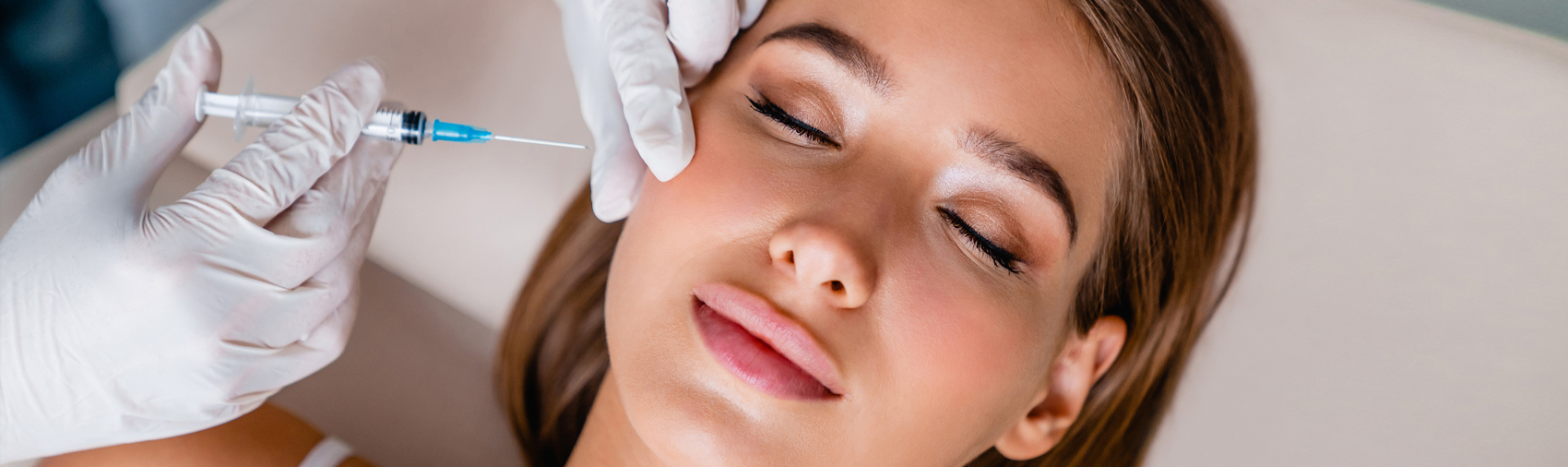
The whole injection period is usually complete within 15 minutes. Therefore, it can be an effective component of your usual dental care appointment.
Your dentist uses ultra-thin needles, which cause little to no tissue irritation, so local anesthesia is usually not necessary. There is a brief pinprick, but the comfort of the dental environment and a steady hand from your dental provider will make this process clinical and comfortable. With this speed, you can get back to what you do every day almost immediately, as long as you take a few precautions.
Essential Aftercare for Optimal Results
The last leg of your trip is a critical 48 hours during which you need to safeguard the product’s placement. It is important to stay upright for 4 hours after the appointment to avoid the unintended spread of the medication that it did not target. Furthermore, do not exercise strenuously and avoid rubbing or massaging the injection sites, as this may prevent the medication from fully settling into the targeted area. These limits help to protect your results and keep the relaxation in the place where your dentist placed it.
Benefits of Choosing Botox in a Dental Setting
Selecting Botox at a dental office is unique in that it offers benefits that other medical and surgical treatments do not. You benefit from a unique synthesis of clinical efficiency, non-invasive technology, and comprehensive facial mapping, as expounded below:
It is a Fast Non-Surgical Solution
Dental Botox is a powerful alternative to more invasive procedures, like orthognathic jaw surgery or gingivectomies. Whereas a gummy smile may require a surgical gum contour to achieve the desired results, Botox is a needle-based solution that yields a more balanced aesthetic without the need for surgical incisions.
Many people think that the complex repositioning of the jawbone in an orthognathic surgery is too scary to seek treatment. These major procedures typically require general anesthesia and a long recovery period with a very strict diet and a lot of pain. Similarly, gingivectomies involve removing gum tissue and can make your gums sensitive after surgery and permanently alter the architecture of your gumline.
Neuromodulator therapy is a revolution in clinical aesthetics. You have the opportunity to avoid the psychological and physical stress that comes with the operating room with this less invasive option. Because this procedure is non-surgical, you do not have to worry about infection or the many weeks of downtime that can accompany traditional surgical procedures. You can enhance your health and appearance without sacrificing your busy lifestyle.
Results are usually within a couple of days, not months, giving relatively quick results and confidence. This flexibility allows you to maintain your own aesthetic goals for your face. It provides a known, modifiable, and predictable option for facial balance that prioritizes your comfort.
Automatic Protection Without Night Guards
The problem with large plastic night guards is that, for many patients, they are a hassle and continue to damage their teeth. You could experience a sensitive gag reflex, or it may be hard to sleep with the appliance in the mouth. Traditional guards are easily forgotten when traveling, at the end of the day, or left on the bedside table because they interfere with rest. This inconsistency puts your teeth at risk when they most need protection.
Botox can provide ongoing muscle relaxation between appointments, which may help reduce grinding intensity, with no effort required on your part. The treatment is a ‘low-maintenance treatment option’ that physically decreases the maximum contraction strength of the masseter muscles, protecting your natural teeth and costly dental work.
Neuromodulators treat the source of the force, whereas a night guard is simply a sacrifice to which your teeth can chew. This biological intervention will interrupt the cycle of hyperactivity and is likely to produce a noticeable reduction in facial muscle tension, along with the “square-jawed” look caused by muscle hypertrophy. Whether you are getting a good night’s sleep on a plane or at home, you will not have to worry about cumbersome oral hardware.
Seamless Integration into Your Routine
Getting Botox at your routine teeth cleaning appointment means you are getting the most out of your time, and you will get the same treatment at each appointment. No need to make appointments with various clinics or go to a med spa that does not have your full dental record. The dentist already sees you twice a year for your oral hygiene. The ten-minute injection addition will keep your functional and aesthetic maintenance in perfect synchrony with your cleanings.
This integration creates a streamlined health experience where your clinical history is always at the forefront. Your dentist knows your face best and how your teeth fit together, so they can adjust each visit based on the actual wear and tear that occurs during your cleaning. A dental office is a medical setting that places greater emphasis on long-term clinical success rather than a traditional aesthetic clinic. This continuity of care ensures that your outcomes are recorded and monitored with your dental information, enabling accurate changes over time.
When you combine these services, you remove the gaps in your care. Your dentist can then look beyond just your teeth to treat your smile as a vital part of your overall facial health and self-confidence.
Aesthetic Benefit of Facial Slimming
Neuromodulator therapy is a comprehensive dental care treatment option that combines functional and aesthetic considerations for the face. Unlike a standard night guard or even unnecessary surgery, dentists can relieve the tension in overactive muscles that cause bruxism, jaw tension, and gummy smiles. As an expert in facial anatomy, your dentist ensures that all treatments are medically accurate and customized to your bite mechanics. This combination will help you preserve your dental investment, like crowns and veneers, while also improving the perimeter of your smile.
These quick sessions are just as convenient as an actual hygiene appointment, and they are beautifully synchronized, offering a professional experience in the clinical setting you already know and trust for your facial wellness and confidence.
How Long Does Dental Botox Last?
It is important to understand how botulinum toxin type A works so you can set your expectations and schedule maintenance accordingly. The effects of the protein gradually develop over the first two weeks after your appointment because it takes time for it to integrate with your neural pathways.
The results from your treatment will not happen overnight. The process by which proteins attach to your nerve receptors and cause your muscles to relax can take 3 to 14 days. You may notice a reduction in jaw tension or a slight relaxation of the upper lip’s hang. After the second week, it is at its best, and you will experience complete therapeutic or cosmetic relief, as your dentist designed during your evaluation.
The effects of Botox are typically seen clinically for 3 to 6 months, after which they gradually wear off as muscle activity returns. The relaxation period is affected by your metabolism, facial muscle tone, and the amount of activity you have throughout the day. This will feel like the muscle movement returning, along with a sense of old tension, as the effects wear off. By having maintenance visits every 4 months, you will maintain a consistent level of comfort and protection without any drop in results.
This is a significant physiological benefit that can occur with regular, long-term therapy, and it is called muscle thinning. If you have a muscle that has not been used for several years, it will naturally lose volume due to disuse. This targeted shrinkage is safe and will help you feel better over time, which may mean you need less Botox than you did at first. Furthermore, many patients discover they can increase the time between dental visits as the muscles become retrained to stay in a more relaxed position, helping reduce harmful grinding and clenching.
Find a Dental Botox Expert Near Me
Botox is a powerful tool in modern cosmetic dentistry, whether you want to reduce fine lines or alleviate TMJ pain. It is not simply about a beautiful smile anymore. It is about the confidence a refreshed smile brings. Combining clinical accuracy and creative vision, the dental practice of Danielle Akry DDS works to ensure that your results will be natural, vibrant, and uniquely yours. Schedule your appointment today with my Los Angeles team, and find out how Botox treatment can make a meaningful difference. Contact us at 310-286-3111.