Dental Exams & Teeth Cleanings
It is not enough to simply brush your teeth every day to maintain a healthy smile. Professional intervention is needed to prevent permanent damage. You face biological issues, including plaque and tartar that a home dental routine cannot remove, which may lead to gingivitis or tooth decay.
You should undergo thorough dental check-ups and teeth cleaning procedures based on your oral health profile. These check-ups serve as a clinical preventive measure against periodontal disease and systemic health problems.
With the professional services we offer at the dental practice of Danielle Akry DDS, you can detect minor complications and address them before they turn into painful emergencies. We have a clinic in Los Angeles, California, with advanced diagnostic imaging and thorough cleaning to ensure your teeth remain bright and functional. Our dental team emphasizes preventive care as a cornerstone of your health.
The Meaning of the Dental Examination and Checkup
A dental check-up is a foundational preventive care. It is intended to assess the current health of your teeth, gums, and soft tissues. Dentists use these visits to identify asymptomatic problems before they become problematic. This methodical process will ensure that the surrounding bone and supporting ligaments are assessed for density and stability, protecting the foundation of your smile against early failure and decay.
Clinical Objectives of the Routine Checkup
A regular dental checkup is a multifaceted diagnostic procedure. This dental examination allows you to map your oral environment and document any structural anomalies. With these details, your dentist can determine which pathogens are involved in localized inflammation and structural flaws that compromise your oral stability.
Your dentist will start by evaluating your chief complaints and performing a physical examination of your dental structure. The aim is to create a baseline of your health and track any changes since your last visit.
You get a customized evaluation that takes into account your distinct risk elements, including your genetic inclination to cavities or your tobacco consumption history. Your dentist will save you the hassle of invasive restorative treatment by screening out the initial signs of enamel erosion and bacterial infiltration. You also have the advantage of a professional viewpoint that looks beyond the veneer of your teeth.
The core components of the examination are:
- Tooth decay screening – Your dentist will examine the soft areas in your enamel and check whether you have fissures where bacteria can live.
- Periodontal disease assessment – You are thoroughly examined to assess the level of your gum attachment and determine whether an infection is present.
- Early-stage oral cancer screening – This is a check of your tongue, throat, and soft tissues to detect lesions or discolorations.
- Assessment of lifestyle and habits – Your dentist examines your diet and hygiene habits to identify practical changes you can make in your everyday life.
- Restoration check – You receive an examination of the existing fillings, crowns, and implants to ensure they are structurally sound and functional.
- Bite and jaw position – Your dentist will note the position of your teeth to detect any signs of grinding or temporomandibular joint problems.
The orderliness of the examination ensures that no part of your oral cavity will be left untouched. You are taken through an examination series that prioritizes the well-being of your supporting structures as much as that of your teeth.
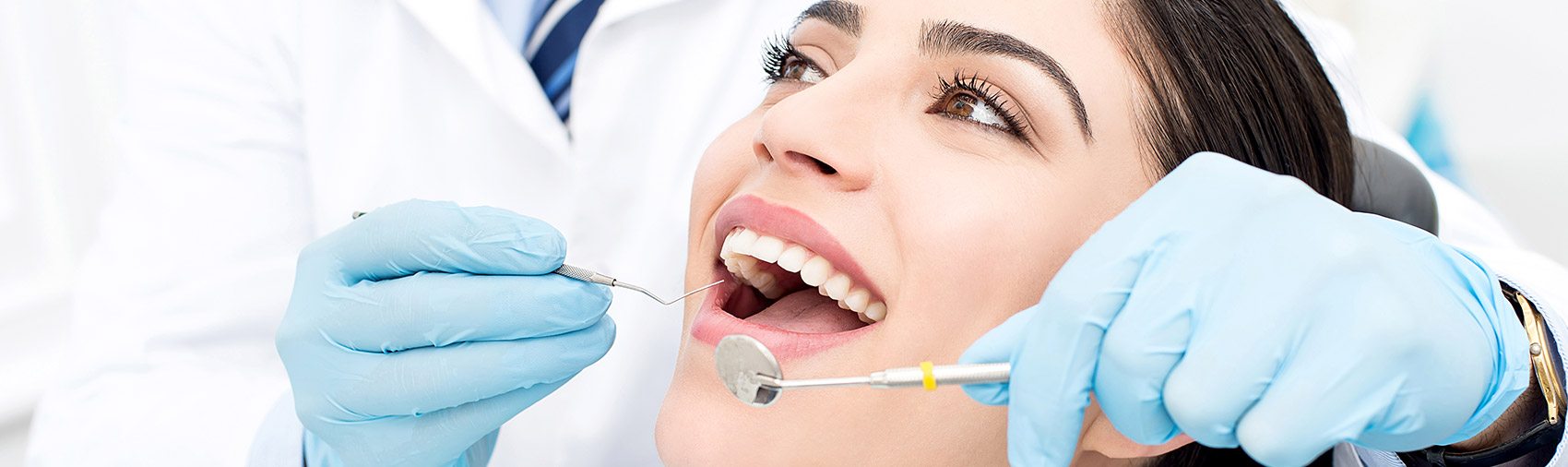
Your dentist will use special mirrors and lighting to examine the back of your mouth, which cannot be seen when you look in the mirror. These tools allow your dentist to detect silent problems, such as early-stage gingivitis, which may not cause pain until it progresses. These findings are clearly explained to you, and you are involved in your own care plan.
The checkup practice will keep you updated on the condition of your oral environment and what you need to do to maintain its health. With these clinical markers, we offer a proactive model that places the structural integrity of your dentition above reactive repairs. You are presented with a strategic analysis that considers the microflora of your mouth, the strength of your bite, and early warning signs of systemic decay.
How to Prepare Strategically for Your Dental Appointment
When you visit your dentist, provide them with the information needed to customize your treatment plan. Even simple measures, such as regulating your sleep and recording symptoms, will enable a more precise evaluation and a much more comfortable experience for the patient.
Physical and Informational Readiness
To a large extent, you can enhance the quality of your dental visit by going with a clear mind and a prepared history. Being in control of your physical condition before sitting in the chair can help to alleviate the natural anxiety that occurs in the clinical setting. You should focus on hydration and nutrition to keep your body relaxed during the cleaning process.
A full medical history should be given as a prerequisite to safe treatment. Your dentist must know how your overall health affects your oral health. Pregnancy or autoimmune disorders may cause an exaggerated inflammatory response in the gingival tissues, and thus, frequent professional cleanings are a medical necessity.
Knowing your biological history allows your dentist to tailor your clinical approach and ensure your safety throughout treatment. For example, the medications that you use may result in dry mouth, which puts you at risk of cavities. You can be a partner in your own health by sharing information about your daily activities and health history.
Going to the dentist early allows you to relax and lower your heart rate before the procedure. Excessive caffeine before your appointment should be avoided since stimulants may cause more tooth sensitivity and make you feel more fidgety in the chair.
Giving the correct list of medication saves you the hassle of possible drug interactions when the dentist applies local anesthesia or other types of treatments. You also help your dentist determine whether you have other conditions, such as diabetes, that can hasten gum disease. Such a preparation will transform an ordinary visit into an accurate clinical consultation. The result you walk away with is not only a generic treatment plan but also a tailored plan to your lifestyle.
Below is an ideal pre-visit checklist:
- Rest and Nutrition – You must get sufficient sleep and have a light, healthy meal to avoid feeling light-headed.
- Medical Transparency – You need to give a complete list of your current medications, including dosages and any herbal supplements.
- Symptom Tracking – You are to document any particular incidences of pain, temperature sensitivity, or bleeding as part of your routine at home.
- Oral Hygiene – You brush and floss as you usually do to remove debris, which will allow you to see a more accurate visual examination.
- Communication of Anxiety – You tell the staff whether you are nervous so they can slow the pace and offer additional comfort.
- Administrative Readiness – You come with your insurance paperwork, and you come early to fill in whatever registration forms you need without being in a hurry.
What Occurs During the Dental Visit
Knowing the order of a dental visit will help ease anxiety and create clear expectations. Below is a structured workflow that starts with a history review and proceeds to professional cleaning and a final diagnostic examination. This is a multi-stage process that ensures no part of your oral health is left out.
The Professional Cleaning Phase
Teeth cleaning starts with a procedure called scaling, in which a hygienist removes biofilm and hardened deposits from your enamel. You will experience the vibratory sensation of an ultrasonic scaler, which employs high-frequency sound waves and a cooling water spray to dislodge calculus.
The disruption of the microbial matrix, which is in effect flushing out the harmful bacteria in the most inaccessible areas of your mouth, is facilitated by the high-frequency oscillations of the scaler. This cavitation serves as the basis for neutralizing the acidic environment that causes enamel demineralization and bone loss. This technology enables an effective removal of tartar, which has attached itself to the surface of the tooth over a period of months.
After mechanical cleaning, your teeth are polished with a special prophylaxis paste. This tough material is used by rotating a rubber cup to buff off any surface stains and leave the surface smooth. You can feel that your teeth are slicker afterward, and it is more difficult for new bacteria to stick to the enamel.
- Scaling—You receive the process of removing above and below the gum line using special tools.
- Polishing – Your hygienist uses a high-speed rotating tool and abrasive paste to polish your teeth and remove extrinsic stains.
- Professional Flossing – You receive a deep cleaning for each tooth to ensure no debris remains in the interproximal spaces.
- Rinsing – You rinse your mouth with a clinical rinse, which leaves your mouth feeling refreshed.
- Application of Fluoride – You can choose fluoride therapy to remineralize your enamel and provide it with a shield against acidic erosion.
The polishing stage is where plaque that has normally accumulated is removed. The hygienist should take a lot of time on the back of your lower front teeth and the outside of your upper molars, as these areas are most likely to have a lot of tartar buildup. Flossing at the end of the cleaning will ensure that the polishing paste is completely removed from between your teeth. This extreme attention to detail keeps your mouth at a high level of hygiene, which is impossible to achieve with home tools alone.
You also get a clean start, which makes your daily brushing and flossing more effective until the next time you are scheduled. This superior hygiene guideline is the primary approach to preventing gingivitis from progressing to irreversible periodontitis. You have the mechanical disturbance of subgingival deposits, which decreases the depth of your gum pockets and stabilizes the supporting bone structure around your teeth.
Diagnostic Evaluation and Imaging
Once your teeth are clean, your dentist then does a diagnostic review to detect problems under the surface that are visible. You have digital X-rays, which is a safe and standard procedure of modern preventive care. These pictures enable your dentist to observe the interior makeup of your teeth and the well-being of your jawbone.
You will also undergo a periodontal examination, during which your dentist will measure the distance between your teeth and gums. These measurements are recorded in millimeters to monitor your gum health over time. When you have deep pockets, it means your gums are infected and falling off. This is the most crucial step of the visit for preventing long-term tooth loss.
The dentist’s evaluation roadmap includes the following:
- Digital X-rays – You enjoy the benefits of low-radiation imaging that shows interproximal decay, bone density problems, and impacted wisdom teeth.
- Periodontal Probing – Your dentist will measure the depth of your gum pockets; healthy gums will be measured at one to three millimeters.
- Bite and Jaw Analysis – You are given an examination of your jaw joints and the way your teeth fit when you bite down.
- Soft Tissue Examination – Your dentist will feel the neck and jaw area to detect any lumps and check the inner cheeks for abnormalities.
- Restoration Review – You will have a thorough examination of any existing crowns or fillings to ensure they are not leaking or cracked.
Digital X-rays are immediate, with results displayed on a monitor for your dentist. The above visual aids will help you identify the position and extent of any cavities. Your dentist will then explain the periodontal numbers to you; they are a direct indicator of your risk of gum disease.
Four millimeters or more is a caution that you should brush up more on your flossing, or you should consider a more intensive cleaning. This information-based practice eliminates the guesses in your dental practice. You walk out of the office knowing clearly what you need to do to maintain your oral health and a map of the possible future treatments.
This diagnostic roadmap is an important communication tool that will help you track your oral health progress over several visits. Monitoring these measurements will help us determine whether your current home hygiene routine is adequate or whether expedited professional clinical interventions are needed.
The Long-Term Advantages of Routine Dental Checkups
The benefits of regular dental intervention are significantly greater than a bright smile. The six-month schedule will not only support your systemic health but also ensure the longevity of your natural teeth. Such visits are the most economical way to avoid invasive, costly restorative treatment.
Preventive Care and Systemic Health
You ought to consider your oral health as a mirror to your physical health. Inflammation in your mouth can spread in your bloodstream to your heart and other vital organs. Medical research is still proving the association between periodontitis and endocarditis because the same bacteria present in dental plaque can also be found in heart valves.
By keeping your mouth sterile, you support cardiovascular health, which contributes to your longevity. As part of a regular cleanse, you reduce the total amount of bacteria in your body, which can help regulate conditions such as diabetes and cardiovascular disease. The added advantage is that early detection of non-dental problems, which present in the oral cavity, is achieved.
Often, the first medical professional to notice signs of nutritional deficiency or systemic infection is your dentist. This preventive practice spares you the physical and economic cost of treating advanced illnesses that can be prevented at an early age. The main benefits of professional care are the following:
- Tooth Preservation – You preserve your natural teeth longer by preventing decay before it reaches the nerve and has to be extracted.
- Halitosis Management – You are treated for the underlying causes of chronic bad breath, which may include trapped bacteria or gum infection.
- Financial Savings – You save money on the expensive cost of root canals, crowns, and implants by treating small cavities early.
- Systemic Protection – You reduce the risk of heart disease and stroke by keeping the levels of oral inflammation low.
- Cancer Prevention – You are regularly screened, and can be diagnosed with oral cancer when the survival rate is at its peak.
- Confidence Boost – You have a bright, clean smile, which enhances your self-esteem and social life.
The educational element of these visits gives you personal feedback on your brushing and flossing methods, which will enable you to correct your mistakes before they become detrimental. For example, you could be brushing too vigorously, which your dentist may detect and address to improve your brushing.
This career advice will help you take charge of your health at home. Another factor you should consider is the time you will save by avoiding emergencies. A one-hour cleaning schedule is far easier to handle than an unscheduled emergency visit for an abscessed tooth. You spend a little time once every six months and once a year to maintain peace of mind and a lifetime of functional teeth.
Moreover, eliminating the hard-to-reach tartar will greatly reduce the burden on your immune system, as your body will no longer have to deal with an oral infection in one or more areas. This natural relief enables your body’s defense system to focus on other aspects of your health, resulting in a state of complete systemic balance.
Specialized Types of Dental Examinations Offered
Not all dental visits are created equal; the examinations are designed to meet your clinical needs and history. Whether you are a first-time patient or in a dental crisis, our office offers a range of assessments to ensure every patient receives the most appropriate level of care and diagnostic accuracy.
Categorizing Clinical Assessments
Depending on your current status and the time since your last visit, your dentist will choose the type of exam. The idea is to maximize the diagnostic yield of each visit, whether it is a comprehensive baseline visit or a specific re-care check. This specialized practice ensures that high-risk patients receive the intensive monitoring needed to prevent recurrent aggressive infections.
A new patient needs a more detailed baseline than a returning patient who has been on a consistent schedule for many years. You are given a diagnostic plan tailored to your situation, whether a routine checkup or an emergency assessment of pain. These various exam types enable more effective use of clinical time and resources, allowing your particular concern to be prioritized.
You traverse your dental experience knowing that the intensity of examination you will get is relevant to your oral health objectives.
The first visit is the most comprehensive you will have, as it will prepare you for the rest of your care. Your dentist measures your bite, the dental work that is in place, and your bone structure to develop a master plan. This visit is likely to be longer than a regular check-up due to the more comprehensive data collection.
When you feel sudden pain, the emergency exam will skip the usual procedure and focus on the site of your pain. This flexibility ensures you get the care you need when you need it. You can switch between these examination types as your health changes, and your dental team will always have the most up-to-date and applicable information about your mouth.
This tiered system of care is an efficient way to allocate diagnostic resources, ensuring that your particular medical concerns receive the level of clinical attention they warrant. A one-size-fits-all approach does not apply to your oral health needs, and they are re-evaluated every time you come into contact with a professional.
Find a Dental Exams and Teeth Cleaning Dentist Near Me
The ideal way to maintain long-term oral and systemic health is to have a regular schedule of dental examinations and teeth cleanings. You need to take decisive action to protect your smile from the silent progression of decay and periodontal disease. These regular checkups provide professional scaling, polishing, and diagnostic imaging to detect problems before they become painful, expensive emergencies.
At the dental practice of Danielle Akry DDS, we are committed to delivering the high-quality dental care that patients in Los Angeles deserve. We use modern technology and non-invasive clinical methods to ensure you are comfortable during each examination. If you need a regular check-up or more advanced treatment for a complex issue, we are here to serve you. Call us at 310-286-3111 today to schedule your appointment and get the professional dental care you need.