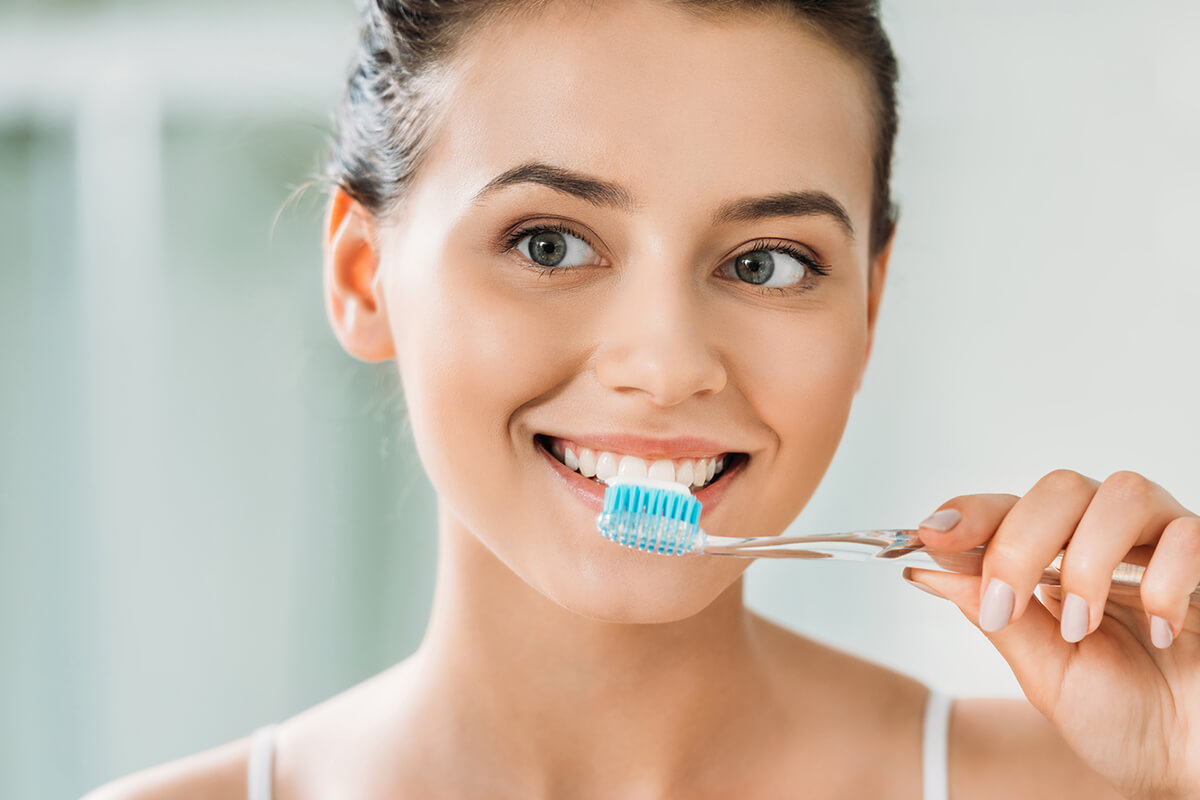

Century City, CA area dentist describes how to prevent cavities and maintain a healthy smile
Many parents are concerned about cavities in their children’s teeth. Your child’s baby teeth are important for chewing, speech development, and helping guide permanent teeth into place. However, they are vulnerable to rapid decay. Children with sensitivity or pain due to untreated dental caries lead an uncomfortable life.
The good news is that tooth decay is 100% preventable if you develop the proper oral hygiene habits and observe proactive dental care, especially regular dentist visits. Danielle Akry DDS dental clinic offers caring and qualified pediatric dentistry across Los Angeles that helps preserve your child’s smile from the first tooth. We concentrate on gentle and preventative care that protects fragile enamel and gums.
Creating an At-Home Brushing and Flossing Routine
Creating a routine for daily cleaning is the foundation of cavity prevention for children. Proper cleaning of your child’s teeth twice daily removes dental plaque before acids can erode the enamel. You can help your child build healthy, strong teeth and maintain proper oral hygiene by following the following key habits:
Age-Appropriate Toothbrush Selection and Brushing Techniques
Choosing the right toothbrush for your child directly affects the quality of the teeth cleaning. Choose a soft-bristled brush so you do not accidentally damage delicate gum tissue. You should choose a toothbrush head that fits your child’s age so that you can reach the back molars’ crevices.
Proper brushing techniques are as important as the right brushing tool. These techniques include:
- Brush bristles should be held at a 45-degree angle towards the gum line, which is the area where most plaque accumulates.
- Biofilm should not be scrubbed in a back-and-forth motion but rather swept away using gentle, circular motions.
- Each surface of each tooth should be cleaned thoroughly. This involves brushing the biting surface, inner surface, and outer surface.
- Cleaning sessions should be performed for a minimum of 2 minutes, twice a day. A fun sand timer or playing a favorite 2-minute song can help make this time move quickly.
Young children do not have the physical dexterity to clean their teeth effectively, so it is necessary to brush for them or help them brush until they are about 7 or 8 years old. It is also important to change your child’s toothbrush every three to four months to avoid frayed bristles that can collect bacteria.
Brushing should never be a chore or a stressful experience, but a great opportunity to help establish a positive routine for your child. Practice and patience are important factors in building a healthy smile and preventing cavities. This should be demonstrated by brushing with your children so that they can see that brushing their teeth is a necessary and fun activity.
You can also let them choose their favorite color brush or flavor of their favorite paste to help them get more excited. Your participation at these early stages directly protects their teeth from decay, and their general development is perfectly followed. Parental love and care are as simple as making sure their mouth is clean.
Appropriate Pediatric Fluoride Toothpaste and Dosages
Using fluoride toothpaste in your child’s daily care is effective in strengthening and developing enamel. The effect of fluoride is to incorporate itself into the tooth structure, making it much harder for the acid by-products of oral bacteria to attack.
The ideal way to make this routine safe and beneficial is to ensure that you have the correct amount of toothpaste for your child’s age. The correct dosage of fluoride offers balanced protection, ensuring maximum remineralization of the enamel and minimizing risk. Watch your child use the toothpaste, and ensure they don’t see it as a treat.
Educating them on the importance of fluoride as a protective barrier instills the significance of dental care in their younger years, enabling them to appreciate it as they mature.
- Fluoride Toothpaste Recommendations for Infants and Toddlers
If your child is under three years old, you should use a small smear of fluoride toothpaste when brushing their teeth. This smear should be about the size of a grain of rice. This minute smear of toothpaste is enough to cover the tooth surface, but not enough to be swallowed by the toddler. When excessive quantities are swallowed during tooth formation, it can result in a cosmetic condition called fluorosis that causes mild white markings on permanent teeth.
Your child’s teeth should be brushed twice a day. Brush them gently and ensure that the amount of paste is limited and the surfaces are cleaned thoroughly. Ensuring your toddler receives only this rice-sized amount provides the perfect balance between clinical efficacy and safety. The paste can be applied evenly over the soft bristles of the brush, but not so much that it would allow your child to lick it off.
Gentle brushing during infancy helps form a positive oral environment and sets the stage for good oral hygiene habits that continue throughout their later toddler years. Maintaining this exact dosage helps protect their temporary teeth while ensuring their developing permanent teeth stay fully secure underneath the gums.
- Fluoride Toothpaste Guidelines for Older Children
After your child turns three years, it is safe to use more fluoride toothpaste when you brush. A pea-sized amount is suggested for children ages 3-6 years. Always supervise your child while they brush their teeth so they don’t swallow the toothpaste. Instruct them to rinse the extra paste into the sink after brushing. To maximize the preventative benefits of fluoride, you should teach them not to rinse their mouth right after they brush their teeth.
A thin coating on the surfaces of the tooth will allow the fluoride to be in contact for a longer period of time, and the mineral can help to strengthen weak areas of the enamel. In this age group, kids are likely to brush on their own but still need your supervision to ensure proper brushing.
After they have finished brushing, examine their teeth to see if there are any plaque remains along the gum line. Guide their hands while they brush to allow them to learn the correct circular motions. Regular, supervised practice helps keep cavities from forming in the hard-to-reach places of their developing mouths, keeping their teeth in the best shape as they grow.
Gentle Interdental Cleaning and Flossing for Kids
A regular toothbrush can’t reach the tight spaces between two adjacent teeth where they actually touch. These hidden spots make up a large surface area of the tooth and are very susceptible to cavities. Flossing is a must to maintain the health of these interproximal surfaces and should be an essential part of your child’s home care routine. Using the right flossing technique is crucial to avoid damaging the delicate gum tissue when getting rid of the sticky plaque. You should use a clean piece of dental floss or a specialized child’s floss pick to clean between the teeth.
Flossing should be introduced as soon as two teeth come into physical contact with each other. To floss, fold the floss thread around the middle fingers to keep it tight. Next, slide the floss between the teeth and curve it into a C-shape against the side of each tooth. Gently move the floss up and down under the gum line to remove plaque.
A slow, steady motion will keep the floss from hitting the gums too hard, and that may cause the gums to bleed or hurt. Use a water flosser or soft interdental brush to remove trapped food particles if your child has orthodontic braces or space maintainers in place. The ideal way to protect these vulnerable areas from decay is to disrupt the bacterial biofilm between the teeth every day.
Dentists recommend that children floss every night before they go to sleep so that no bacteria can start to produce harmful acids overnight. Flossing helps preserve your children’s teeth and keep their gums healthy for many years to come, ensuring a bright and healthy smile for years to come. Regularly cleaning these areas will help your child avoid interproximal cavities. It is a basic daily routine that is a great preventive measure that will help keep their smile free from unnecessary, invasive restorative procedures and help ensure their long-term dental health.
Clinical Preventive Treatments in Pediatric Dentistry
Dentist visits can offer a strong second line of defense against cavity-causing bacteria. These interventions are painless and seal hard-to-reach areas and re-mineralize your child’s tooth structure.
Applying Dental Sealants to Protect Deep Molar Grooves
Your child’s back molars have deep, narrow pits and fissures that food particles and oral bacteria can easily get stuck in. These grooves tend to be narrower than a toothbrush bristle and are too narrow for normal brushing to maintain their cleanliness. This risk can be reduced by having dental sealants placed on your child’s permanent molars as soon as they are fully erupted. This is usually at 6 and 12 years of age.
No needles or drilling are used to apply the sealant, and the process is quick, easy, and painless. The first step is a complete cleaning and polishing of the designated molars by your child’s dental hygienist to ensure the surface of the tooth is free of plaque and debris.
Then a mild conditioning gel is applied to the enamel for several seconds to make it slightly rough, allowing for a good bond. The dentist rinses the tooth and then dries it thoroughly before coating the thin liquid plastic resin in the deep grooves. Then a special curing light is shone on the tooth to harden the material within seconds.
After application, dental sealants create a smooth, long-lasting coat over the teeth that prevents bacteria and food from getting trapped in the deep fissures. Clinical studies show that sealants can cut the likelihood of cavities in the sealed chewing surfaces of teeth by almost 80% during the first two years after they are applied.
During routine checkups, your pediatric dentist will check the sealants for damage and reapply them if they are damaged. This specific protective treatment gives long-lasting peace of mind, significantly reducing the risk of your child needing expensive and challenging fillings in the future. Investing in this simple, non-invasive seal allows you to create a durable seal, which protects their chewing surfaces from any damage and helps them avoid the pain of molar tooth decay and extensive damage to their teeth.
Professional In-Office Fluoride Varnish Treatments
While daily brushing at home provides a certain amount of fluoride protection, a fluoride treatment at the dentist’s office is a very strong dose of protection. Fluoride varnish is a sticky coating that dries quickly and is applied directly to all surfaces of your child’s teeth with a small brush. Safe and easy to do, this treatment only requires a few minutes and is good for young children. The enamel absorbs the fluoride in the varnish quickly and begins to remineralize deeply. In this mineral depositing process, weak areas that have begun to dissolve due to acid can be strengthened.
Your child can eat and drink soft foods immediately after the appointment, as the varnish hardens as soon as your child’s saliva touches it. To get maximum protection from the varnish, avoid giving your child hard, hot, or sticky foods for the rest of the day. Studies indicate that professional fluoride varnish, applied regularly, usually every 3-6 months, can substantially decrease cavity rates in primary and permanent developing teeth.
Your pediatric dentist will assess your child’s personal cavity risk, and the frequency of these clinical treatments will be established. These regular varnishes can help to reinforce your child’s enamel, which will make it very resistant to future acid damage and keep your child’s smile intact.
This safe and proven preventative measure complements the home care you are providing, creating a strong barrier against tooth decay and helping your child to maintain good oral health. This is a clinical protocol that will give your child the building blocks of minerals needed to withstand the daily assault of acid.
These regular treatments will help keep their baby teeth in excellent condition, allowing them to last through their natural life and helping to position new permanent teeth.
Adopting Nutritional and Dietary Strategies
The composition of protective saliva and harmful acids in your child’s mouth depends on their daily diet. Choosing teeth-friendly foods and reducing the amount of harmful sugars will prevent decay from forming on vulnerable enamel surfaces. A smart, natural way to protect your little one’s developing smile today is strategic meal planning.
Feeding Your Child Saliva-Stimulating and Enamel-Strengthening Foods
Your child’s diet is important in reinforcing their enamel and supporting the flow of saliva. Your mouth’s natural defense mechanism is saliva, which helps remove loose food particles, neutralizes bacterial acids, and re-mineralizes the tooth structure. One way to help this natural defense is to plant dirt that is high in tooth-friendly foods with high mineral content.
Examples of high-mineral-content foods are:
- Hard cheeses, such as cheddar, also neutralize oral acidity
- Unsweetened plain yogurt and milk that are high in calcium
- Crunchy veggies such as carrots and celery, which act as natural toothbrushes
- Plenty of fluoridated tap water to wash away lingering food debris
These healthy food options help to safeguard the enamel against the wear and tear of everyday life. Hard cheeses are especially helpful as they are consumed directly after eating, thus balancing the pH in the mouth, which offers direct protection from acid damage. Crunchy vegetables such as carrots and celery take longer to chew, which stimulates the salivary glands to create more protective saliva.
Your child will keep their mouth moist and protected from the effects of enamel erosion if they drink fluoridated tap water all day long. These healthy foods create a strong physical barrier to bacterial acid attacks, which helps keep your teeth strong. Eating these nutritious snacks on a regular basis will help to strengthen their dental health from the inside out, keeping your family from experiencing dental problems and enjoying a healthy, decay-free smile today.
Eliminating Sugary Snacks and Preventing Baby Bottle Tooth Decay
Reducing your child’s exposure to processed sugars and starchy foods is the best way to reduce their risk of cavities. Bacteria that break down sugars from snacks, candy, and fruit drinks produce corrosive acids that actively dissolve enamel. The risk lies not in the amount of sugar consumed but in how often it is consumed. Eating sugary or starchy foods throughout the day will keep your child’s mouth constantly acidic, which will prevent the teeth from remineralizing.
You should also know the risks of baby bottle tooth decay in infants and young children. This happens when a child goes to sleep with a bottle of milk, formula, or other sweetened fluids. During sleep, your child’s saliva decreases, and the sugary liquid sits around the front teeth for several hours, causing bacteria to multiply quickly and leading to severe decay. Never let your child fall asleep with a milk or juice bottle.
If you need to use a bottle at night, it should contain only water. Also, around the first birthday, wean your child from the baby bottle to a regular drinking cup to reduce the amount of time spent with sugary liquids. The ideal method of protecting your child’s teeth from cavity-causing bacteria is to limit processed treats and replace them with whole foods. This approach ensures your kid’s growing smile stays healthy and cavity-free.
Partnering with Your Pediatric Dentist
To ensure long-term oral health for your family, you must work together with a trusted pediatric dental care provider. Regular check-ups allow for early detection of demineralization and professional cleaning that ensures the healthy condition of baby teeth and permanent teeth. Building a good relationship with your dentist encourages preventative care for a lifetime.
Establishing Early Dental Home and Bi-Annual Checkups
Establishing an early dental home checkup for your child is one of the most proactive steps you can take to prevent future dental problems. The American Dental Association (ADA) and the American Academy of Pediatric Dentistry both advise that children visit a dentist as soon as their first baby tooth erupts or by the time they are 12 months old. Your child will find it easy to visit the dentist, and will have a better attitude towards visiting the dentist because they have been introduced to the environment early. Regular dental check-ups are recommended every six months to monitor growth and detect any dental problems early.
Each checkup will include a comprehensive oral exam and professional cleaning to remove hardened tartar that you can’t reach with brushing. Also, the dentist will check the growth of your child’s jaw and the eruption of new teeth. Low-radiation periodic digital X-rays can be used to look between the teeth to detect early decay before it can be visible to the naked eye.
Regular checkups allow your dentist the chance to help you teach your child how to brush their teeth and ensure that your child’s preventative plan is updated as they grow. This early dental care will keep your child’s teeth and overall health in good condition and on track for many years to come. With this strong partnership, you can rest assured to tackle new oral problems, preserve their baby teeth, and set them up for a lifetime of beautiful smiles.
Personalized Prevention Plans through CAMBRA
Today’s pediatric dentistry uses a system called Caries Management by Risk Assessment (CAMBRA) to help maintain your child’s healthy teeth. While a standard treatment for all patients might be suggested, your dentist can assess your child’s cavity indicators and individual risk factors to determine a suitable CAMBRA treatment. This evaluation will give you a good idea of why your child could be susceptible to developing cavities and help the clinical team design a personalized cavity prevention plan.
Your child’s risk level will be determined by checking your child’s diet, salivary flow, fluoride exposure, and oral hygiene. If your dentist determines that your risk of developing cavities is high, they may suggest that you have more frequent dental check-ups, in-office fluoride varnishes, or prescription-strength cavity prevention products that you use at home.
A personalized CAMBRA plan ensures that your child will receive the appropriate amount of protective care to help them maintain a cavity-free smile throughout the years of development, directly protecting their developing smile and promoting excellent wellness, right here today.
Call a Professional Pediatric Dentist Near Me
Regularly visiting the dentist for cleanings and prevention, along with daily home care, is the key to helping your child avoid cavities. The earlier the enamel demineralization is detected, the more gentle the treatment is, and the more natural the tooth structures and future dental pain can be avoided. If you wait until your child tells you that they feel sensitivity or discomfort, then a cavity or tooth infection may have already developed.
With a wealth of experience in preventative and pediatric dentistry, Danielle Akry DDS and our dental team will give your child the personalized cavity-preventative care they deserve. Our Los Angeles, California, dentist team is ready to evaluate your child’s specific cavity risk level and offer outstanding cavity protection services. Call our dental office today at (310) 286-3111 to make your child’s next appointment and do something proactive to ensure your child’s healthy, beautiful smile for many healthy childhood years.